Questions to Ask an Invisalign Dentist
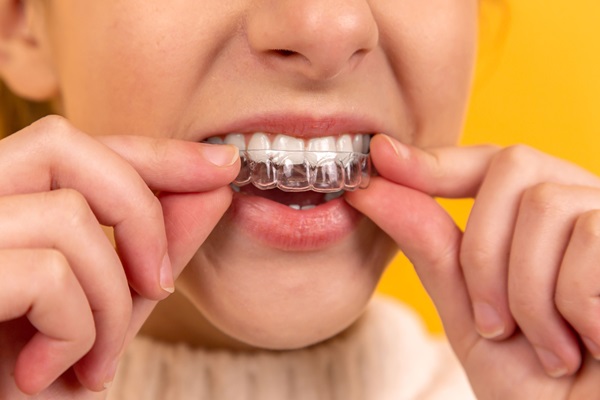
Choosing the right Invisalign dentist is essential for anyone looking to straighten their smile. This treatment is offered by general dentists and orthodontists. It involves customized aligners designed to gradually adjust the alignment of a person's teeth. In order to ensure the best results and a seamless process, it is important to ask the right questions during your initial consultation with an Invisalign dentist.
What experience do you have with offering Invisalign treatment?
Ask the Invisalign provider about their experience in offering Invisalign and other orthodontic treatments. An experienced general dentist or orthodontist will have a well-rounded background in handling mild, moderate, and complex misalignment cases. As a result, they can provide their patients with personalized guidance throughout the treatment process.
Am I a good candidate for Invisalign?
Not everyone is an ideal candidate for Invisalign. This question helps determine whether the treatment will address specific dental concerns effectively. Some factors that Invisalign providers consider before treatment include:
- Untreated oral health issues, such as gum disease or cavities
- Poor oral hygiene
- Severe misalignments, such as large overbites or overcrowding
- Existing dental work, such as crowns, bridges, and implants
- Smoking or other tobacco use
- Inability to commit to wearing the aligners as prescribed
An experienced Invisalign dentist will assess each patient's individual needs and recommend the best approach for their treatment goals.
How long does treatment take?
Treatment duration varies based on the complexity of the patient's case. Some individuals may see results in as little as six months. However, others may require 18 months or longer. Asking about the expected timeline can help patients set realistic expectations. The Invisalign dentist will provide a treatment plan outlining the estimated timeline and when the patient must pick up each set of aligners.
Does insurance cover Invisalign?
A clear understanding of costs and payment options is essential for financial planning. Invisalign treatment can vary from patient to patient. Depending on the patient's treatment plan, their insurance may cover only part of the expense. Discussing payment plans or financing options with the Invisalign dentist can make the process more manageable and affordable.
How often are follow-up visits required?
Regular check-ins are necessary to monitor progress and receive new aligners. Most Invisalign dentists schedule follow-ups every four to six weeks. However, this can vary based on each patient's treatment needs.
What do I do if I lose or damage my aligners?
Accidents happen, and some patients may lose or damage their aligners during treatment. It is important to know the protocol for such situations. Ask the Invisalign dentist whether replacement aligners incur additional fees and how quickly they can be provided.
Will I need to wear a retainer?
After Invisalign treatment, patients will typically need to wear a retainer to maintain their results. This will help prevent "retainer relapse," where the teeth begin to move to their pre-treatment positions. Responsible retainer use helps protect the time and money spent during Invisalign treatment. Most Invisalign dentists recommend the following guidelines for retainer use:
- First 3–6 months: Wear the retainer 20–22 hours a day, taking it out only for meals and oral hygiene.
- 9–12 months: Wear the retainer at night to allow the body to build bone to stabilize the treated teeth.
- After 12 months: Wear the retainer 3–5 nights a week for the foreseeable future, typically the rest of one's life.
The provider will consider several factors when determining how long patients should wear retainers, including their biology, genetic factors, and any concerning changes.
Schedule a consultation today
Preparing thoughtful questions before consulting an Invisalign dentist can significantly impact your overall treatment experience. Do you have more questions for the Elite Coral Dentistry team? Call our Cape Coral office today to learn more or to schedule a consultation.
Request an appointment here: https://www.elitecoraldentistry.com or call Elite Coral Dentistry at (239) 542-4626 for an appointment in our Cape Coral office.
Check out what others are saying about our dental services on Yelp: Invisalign in Cape Coral, FL.
Related Posts
Over time, individuals who wear dentures may experience a need for denture repair. The mouth changes, and normal wear and tear can occur, which often results in a need for a rebase or a reline. Individuals who have a damaged or broken denture should consult with a general dentist to determine what the problem is.…
Dental veneers are among the most popular cosmetic treatments in modern dentistry. However, there are several misconceptions about their purpose, durability, and required maintenance. If you are considering dental veneers to improve your smile, it can be helpful to understand the myths and facts about this cosmetic treatment.A common misconception is that dental veneers always…
A smile makeover enhances the appearance of teeth through cosmetic procedures such as veneers, whitening, crowns, and orthodontics. While these treatments improve confidence and aesthetics, maintaining results requires ongoing care. Proper oral hygiene, healthy habits, and routine dental visits ensure long-term success. Understanding how to protect a smile makeover helps preserve its beauty and functionality…
Dentures provide a functional and aesthetic solution for people missing multiple teeth. However, proper denture care is essential to ensuring comfort, durability, and oral health. People with new dentures must establish a consistent cleaning routine and learn how to handle them carefully. Without proper maintenance, dentures can become uncomfortable, harbor harmful bacteria, or wear out…