Dental Implants Cape Coral, FL
Dental implants give you a comfortable, functional bite again after losing teeth. Each implant acts as an artificial root that anchors a permanent replacement tooth, which makes implants a strong option if you are missing one or more teeth or need a tooth extracted.
Implants closely imitate natural teeth and can be a long-term solution for missing teeth. At our Elite Coral Dentistry office in Cape Coral, they are placed and restored in-house, so one team follows your treatment from start to finish. Call (239) 542-4626 to learn more and set up an appointment.
Visit Elite Coral Dentistry in Cape Coral
We're a family-owned dental practice that has served Cape Coral from the same address since 1985, offering Comprehensive Dental Care, Cosmetic Dentistry, Advanced Crown and Bridge Work, Dental Implants and Root Canal Treatments. You'll find us at 1105 SE 47th Terrace, with free on-site parking, accessible parking near the entrance and a step-free entrance. Call us, send a message to our text line or request an appointment online. New patients are always welcome.
- Business name: Elite Coral Dentistry
- Address: 1105 SE 47th Terrace, Cape Coral, FL 33904
- Phone: (239) 542-4626
- Text line (text messages only): (941) 479-2183
- Email: elitecoraldentistry@gmail.com
- Website: https://www.elitecoraldentistry.com/
- Hours:
- Monday: 8:00am – 5:00pm
- Tuesday: 8:00am – 5:00pm
- Wednesday: 8:00am – 5:00pm
- Thursday: 8:00am – 5:00pm
- Friday: Closed
- Saturday: Closed
- Sunday: Closed
The Dental Implant Process
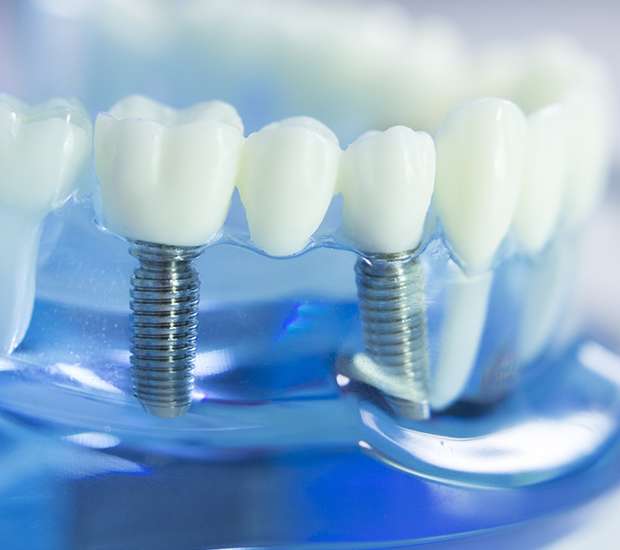
Dental implants act as artificial tooth roots that support new replacement teeth. Treatment starts with a consultation, an examination and X-rays, so the dentist can check the bone, plan where the implant will sit and explain your options before anything begins. During the procedure, a small incision is made in the gum to expose the bone, the implant is placed, and the gum is sutured around the implant post. In some cases, a temporary denture is worn while the area heals instead of replacement teeth.
After surgery, the bone needs time to heal and bond around the implant, a process called osseointegration. This can take several weeks or months. Once the implant is secure, the dentist fits your permanent replacement teeth.
According to the Mayo Clinic, some patients need extra steps. If the jawbone is too thin or soft to hold an implant securely, a bone graft may be needed first to rebuild enough strength, and this is carried out at the same office. After the bone has healed, an abutment connects a crown or denture to the implant. Crowns are made from porcelain or ceramic, strong and esthetic materials shaped and shaded to match your natural teeth.
For patients replacing a full arch, implant-supported dentures can be held in place by a minimum of four implants, as either a removable or a fixed denture. The right number of implants and type of denture depend on your mouth, so book a consultation to see your options.
“Dental implants act as artificial tooth roots to support new replacement teeth.”
How To Care for Dental Implants
Caring for dental implants is very similar to caring for natural teeth, especially if the replacement teeth are permanent. Brushing twice a day, flossing and rinsing with mouthwash keep the gums around each implant healthy. Regular checkups and cleanings also matter, because they let the dentist and hygienist look after your implants and gums alongside your natural teeth.
Implants may need a little extra cleaning to stay in good condition. If you have removable implant-supported dentures, take them out at night and soak them in a denture solution. An oral irrigator can also help clean below and around the implants, where a toothbrush has trouble reaching.
“Caring for dental implants is very similar to caring for natural teeth, especially if the replacement teeth are permanent.”


What To Expect After the Procedure
Following the procedure, it is common to have some swelling and discomfort around the implant site. Some patients also notice minor bleeding and bruising of the skin and gums in the treatment area. These side effects can be managed with pain medication, and antibiotics if necessary, and they usually ease within a few days.
While the bone heals, it is best to stick to soft foods. Most implant procedures use dissolvable stitches, so you will not need to come back to have them removed, and they usually fall out within seven to 10 days. Following your aftercare instructions helps the area heal well. If pain or swelling gets worse after the first few days instead of better, call us at (239) 542-4626.
“Following the procedure, it is common to have swelling and discomfort around the implant site.”
Check out what others are saying about our dental services on Yelp: Dental Implants in Cape Coral, FL
Benefits of Dental Implants
Dental implants can be a good choice for many patients with missing teeth, because they allow new teeth to feel, look and function naturally. Here are some of the key benefits:
- Comfortable: Implants act as tooth roots and stay firmly in place. This firm foundation makes them more comfortable than dentures and other replacement options, and many patients say their implants feel much like their natural teeth.
- Functional: The stability of implants makes eating, talking and cleaning easier. They work much like the teeth they replace, while less permanent options can get in the way of daily life.
- Permanent: Implants are one of the most permanent ways to replace missing teeth, and they can last a lifetime with good care. Fixed replacement teeth on implants do not need to be taken out every day for cleaning.
- Natural-looking: Implant-supported teeth look like natural teeth. The visible part is a porcelain or ceramic crown, a strong and esthetic material color-matched to your tooth enamel, so it can be hard to tell the difference.
- Kind to neighboring teeth: A single implant replaces one tooth on its own, so the healthy teeth on either side do not need to be reshaped to support it, as they would for a traditional bridge.
- Supportive of the jaw: Because an implant replaces the tooth root, it helps reduce the bone loss (resorption) that can follow when a tooth is missing for a long time.
“Dental implants allow new teeth to feel, look and function naturally.”
How do dental implants work for Cape Coral patients replacing a missing tooth?
A dental implant is a small titanium post placed in the jawbone where the missing tooth's root used to be. Over the following months, the bone bonds to the post and creates a stable base. An abutment is then attached, and a porcelain or ceramic crown, shaped and shaded to match your other teeth, is fitted on top so you can chew comfortably again.
Can implants be placed and restored at the same office in Cape Coral?
Yes. At our Elite Coral Dentistry office in Cape Coral, the implant is placed and the final crown or denture is fitted at the same office, along with any bone grafting needed beforehand. You have one consultation, one set of records and one team following your treatment from start to finish, without a separate appointment at another office on another day.
What should I expect before and after implant surgery in Cape Coral?
Before surgery, you have a consultation, an examination and X-rays so the dentist can check the bone, plan the implant's position and explain the cost. Some sites need a bone graft first. Afterward, expect some tenderness and swelling for a few days and soft foods while you heal, followed by a healing period of several months before the final crown is fitted.
Questions Answered on This Page
Q. What happens during the dental implant process?
Q. How do you take care of dental implants?
Q. What happens after the dental implant procedure?
Q. What are the benefits of dental implants?
Q. How do dental implants work for Cape Coral patients replacing a missing tooth?
Q. Can implants be placed and restored at the same office in Cape Coral?
Q. What should I expect before and after implant surgery in Cape Coral?
People Also Ask
Q. What is the most durable option for replacing missing teeth?
Q. What can I expect the day of the implant procedure?
Q. What does the implant recovery process look like?
What To Know Before and After Implant Surgery in Cape Coral
Here is how we prepare patients for implant surgery, and what we ask you to watch for once it's done.
Preparing for Implant Surgery: Pros and Cons
What careful preparation gives you
- Where your jaw needs a bone graft, it gives the implant enough bone to sit in securely.
- Planning the implant’s position from X-rays means the final crown lines up with your bite.
- The cost is explained at the outset, so you know what to expect before treatment begins.
- Each stage starts only when the last one has healed, which protects the result.
What it asks of you
- A bone graft adds a healing period of its own before the implant can be placed.
- The whole process takes months rather than weeks, so we plan it around your calendar.
- Some stages mean soft foods and a few days of taking things gently afterward.
What To Look For in the First Weeks After Surgery
- Normal: tenderness, mild swelling and a little bleeding in the first day or two, easing steadily over the following days.
- Normal: some sensitivity when you brush near the site. We’ll explain how to keep it clean.
- Worth a call to us at (239) 542-4626, Monday through Thursday, 8:00am to 5:00pm: pain or swelling that gets worse after the third day instead of better.
- Worth a call to us: a bad taste or discharge from the site, a fever, or an implant or temporary tooth that feels loose.
- Seek emergency medical care: swelling that affects your breathing or swallowing, or bleeding that won’t stop with firm pressure.
Dental Crowns and Bridges
Restore a cracked or heavily filled tooth, or bridge a gap, with porcelain or ceramic crowns made from strong, esthetic materials matched to your smile.
Teeth Whitening
Brighten the natural shade of teeth that have yellowed or dulled over time with professional take-home trays, ideally before a new crown is shade-matched.
Invisalign
Straighten crooked or crowded teeth with Invisalign clear aligners, changed at home between check-ins at the office.
Dental Checkups and Cleanings
Keep your implant, gums and natural teeth healthy with regular checkups and cleanings, where everything is looked after together.
Tooth Replacement for Cape Coral’s Retirees and Seasonal Residents
Cape Coral is home to many retirees, along with seasonal residents who return each winter. The need for a fixed, long-term way to replace missing teeth tends to grow with age, and a gap left for years can make chewing harder and affect the teeth around it.
That is why implant treatment here is planned, placed and restored in-house rather than referred out. A patient who needs a tooth replaced can have the whole process handled by the same team that looks after their checkups and cleanings.
For seasonal residents, the stages of treatment and the healing time between them can be planned around the months you spend in Florida, so each visit is used well. Every implant plan starts the same way: a consultation, a clear explanation of your options, including whether a bridge or denture might suit you better, and the cost explained before anything begins.
Frequently Asked Questions
Q. How do I know if I am a candidate for dental implants?
A. According to WebMD, most healthy people are good candidates for dental implants. However, a weak or thin jawbone may limit whether implants can be placed, and bone grafting can overcome this in some cases. The dentist will confirm whether implants suit you during an examination and consultation.
Q. How long do dental implants last?
A. According to the Cleveland Clinic, dental implants usually last longer than other ways of replacing missing teeth. With good care at home and regular checkups, they can last for many years, although the crown, bridge or denture attached to the implant may need replacing at some point.
Q. How much do dental implants cost?
A. The cost depends on your needs, including how many teeth are being replaced, the amount of bone available and the treatment area. Costs are explained after your consultation, before any treatment begins. The office accepts most PPO dental and PPO Medicare dental plans, so call to check your coverage, and CareCredit is available to help spread the cost.
Q. Are dental implants removable?
A. The implant itself stays in the jawbone and isn't taken out. The replacement teeth that sit on it can be fixed or removable. Many patients prefer fixed teeth for their stability and comfort, while removable implant-supported dentures can be taken out for cleaning.
Q. Do I need full dentures to get implants?
A. No. Implants can support a single tooth, several teeth or a full arch. Some patients have one implant-supported crown, some have a bridge or partial denture held by implants, and others have a full-arch denture supported by a minimum of four implants. Your consultation shows which option fits you.
Quality Dental Services Can Transform Your Smile
By visiting us as soon as possible, our team can help get you the professional treatment you need. Instead of waiting around and allowing the symptoms to get worse, we can provide you with treatment options. If you have been living with a gap, an implant consultation is a good place to start, and new patients are always welcome.


Scan here to view this page, Dental Implants, on mobile

Dental Implant Terminology
Call Us To Learn More About Dental Implants
Dental implants closely imitate the form and function of natural teeth. If you are missing teeth, this may be the solution for you. Call (239) 542-4626 to set up an appointment at Elite Coral Dentistry and learn more about this procedure, send a message to our text line at (941) 479-2183, or request an appointment online.
Led by Dr. Joseph Mejia, who has owned the practice since July 2022, our family-owned practice has been at the same address since 1985 and sees patients from Cape Coral, Fort Myers, North Fort Myers, Fort Myers Beach and Pine Island. The office is open Monday through Thursday, 8:00am to 5:00pm.
Helpful Related Links
- American Dental Association (ADA). Glossary of Dental Clinical Terms. 2024
- American Academy of Cosmetic Dentistry® (AACD). Home Page. 2024
- WebMD. WebMD’s Oral Care Guide. 2024

Scan here to open directions to Elite Coral Dentistry on mobile
Back to top of Dental Implants
Related Posts

Are Dental Implants Safe?
There has been a lot of talk about dental implants in recent years. Dentists recommend them, and patients benefit from the results of the treatment. Implants restore the full function of the mouth and revitalize smiles. People can enjoy newfound self-esteem and the self-image and health they have been looking for. You may wonder whether…
Denture Repair: Rebase And Reline
Over time, individuals who wear dentures may experience a need for denture repair. The mouth changes, and normal wear and tear can occur, which often results in a need for a rebase or a reline. Individuals who have a damaged or broken denture should consult with a general dentist to determine what the problem is.…
Myths And Facts About Dental Veneers
Dental veneers are among the most popular cosmetic treatments in modern dentistry. However, there are several misconceptions about their purpose, durability, and required maintenance. If you are considering dental veneers to improve your smile, it can be helpful to understand the myths and facts about this cosmetic treatment.A common misconception is that dental veneers always…
Life After A Smile Makeover: How To Protect Your Investment
A smile makeover enhances the appearance of teeth through cosmetic procedures such as veneers, whitening, crowns, and orthodontics. While these treatments improve confidence and aesthetics, maintaining results requires ongoing care. Proper oral hygiene, healthy habits, and routine dental visits ensure long-term success. Understanding how to protect a smile makeover helps preserve its beauty and functionality…
Explore additional topics covered on our website:
Call Us Today

Scan here to call Elite Coral Dentistry on mobile